July Journal: The Rhythm of High Summer

3rd July
As June slips into July, the temperatures remain high and we have still had no rain. The grass is losing its spring green, and the rewilding land is beginning to resemble the grasslands of the savannah.
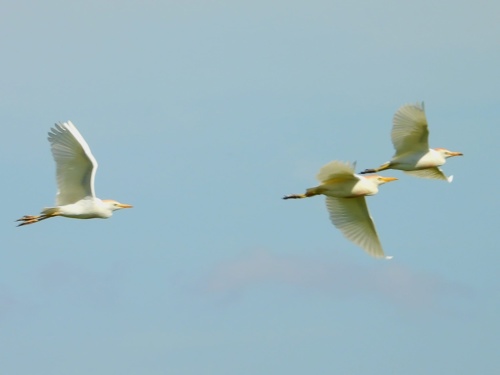
Cattle Egrets perch on the backs of our Longhorn herd before suddenly lifting into the air together, a cloud of brilliant white against the summer landscape.
4th July
The cattle are still calving, so we're keeping a close eye on the herd with the help of their GPS collars. At this time of year they've become invaluable, allowing us to track the cows while giving them the space they need.
Today, Xander left the herd and settled in the densest part of the woodland. We'll continue to keep an eye on her from a distance and let nature take its course.
5th July
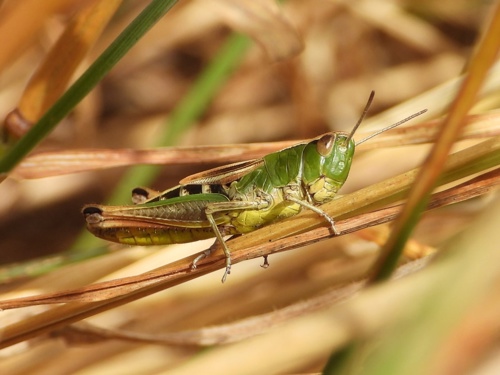
The rewilding land rings with a new sound, the constant buzz of grasshoppers, thousands of them.
As you walk through the brittle brown grass, the ground seems to move. A wave of leaping bodies springs up before every step, the landscape alive despite the cracked earth, baked dry beneath the blazing sun.
8th July
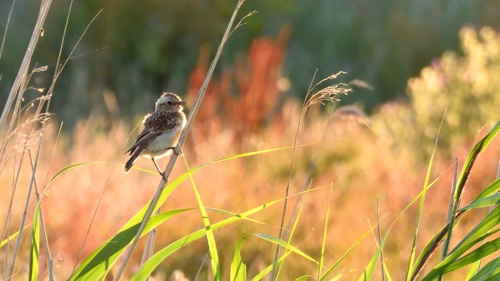
A family of Stonechats hops through the grassland, feeding together. Among them is a much rarer visitor.
At first glance, a Whinchat looks similar, but the two are worlds apart. Whinchats spend the winter in Africa before making the long journey back to the UK each summer, where they're more commonly found on the uplands of northern England and Wales. Their numbers have declined dramatically, earning them Red List status.
We've been fortunate enough to attract Whinchats since the early days of the rewilding project, and it's easy to forget just how special it is to see them here.
10th July
The Groundless Pool, our wild swimming lake, has been busy, not just with guests, but with wildlife too.
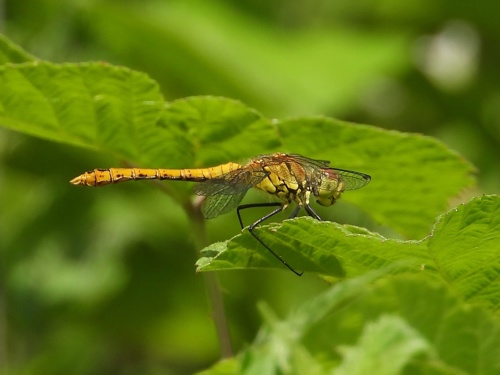
Small flies hover above the water, while shoals of Rudd rise constantly to feed. Above them, Ruddy Darters, Broad-bodied Chasers, Red-veined Darters and Emperor Dragonflies patrol the surface alongside white-legged Damselflies.
12th July
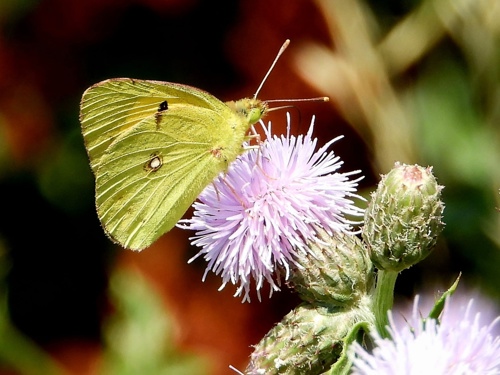
Butterflies and moths have flourished this year, likely thanks to the warm spring and early summer, which created ideal conditions for developing caterpillars.
Clouds of butterflies gather along woodland edges and hedgerows, while others drift between the flowers of the wild plants that might once have been cut back earlier in the season. By allowing these plants to thrive, we've so far recorded more than 22 species of butterflies and moths from casual observations alone. A more detailed survey would no doubt reveal many more.
Alongside familiar summer visitors such as Meadow Browns, Marbled whites and Painted Ladies, we've also spotted some real highlights.
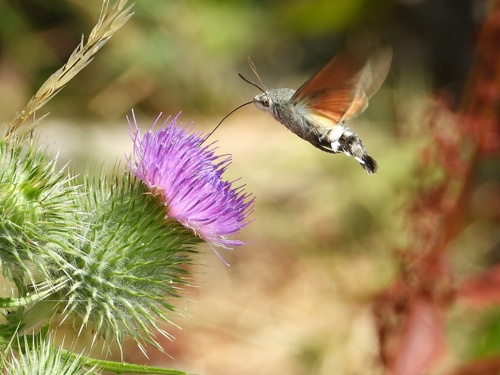
The Clouded Yellow, a striking migratory butterfly, journeys to the UK from mainland Europe and isn't seen here every year. We've also been delighted to find Jersey Tiger Moths, with their bold white-and-white stripes and flashes of orange, and the remarkable Hummingbird Hawk-moth, hovering over flowers with rapid wingbeats as it feeds, often mistaken for a tiny hummingbird.
15th July
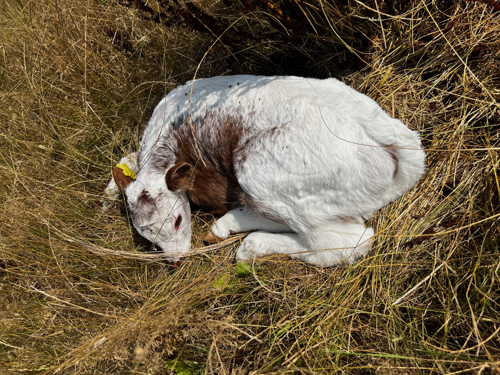
Last night, Wilma left the herd to have her calf in the middle of one of the northern fields beside the River Severn.
For several days, the calf remained hidden while Wilma made regular trips between him and the rest of the herd. Free-roaming cows can take anything from a few days to a fortnight before introducing their calves.
This field is filled with head-high grasses and shrubs, making it almost impossible to catch sight of him. It can be difficult to simply trust the process without being able to check on him, but moments like these are a reminder that we don't always know best. Sometimes the greatest care we can show is to let nature take the lead.
16th July
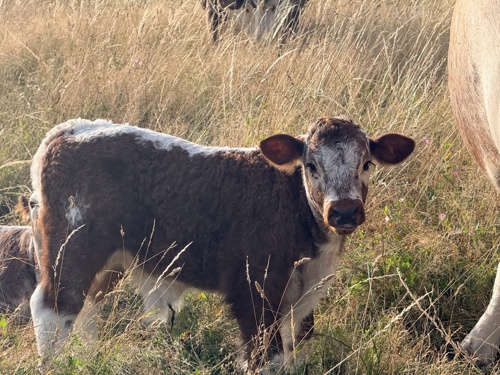
Xander finally introduced her young bull, born earlier in the month, to the rest of the herd.
We'd only caught the briefest glimpses of him since his birth, so it was a joy to see him healthy, confident and already playing alongside the other calves.
17th July
Wild One, the first Longhorn cow born on Elmore Estate, has had her calf today.
She chose the field closest to the farmyard, and she's welcomed another little bull into the herd. Wild One holds a special place in all our hearts, so with this year's calves all receiving names beginning with "A", it felt only right to name him after the estate's owner: Anselm.
21st July
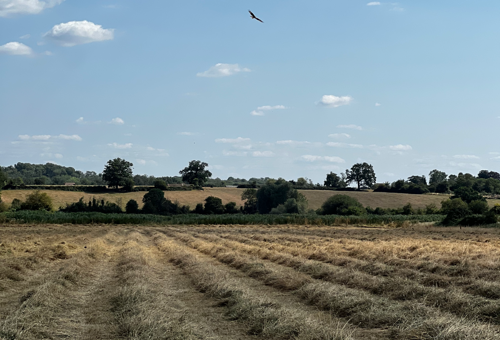
Today we cut many of the fields outside the rewilding area for hay.
The grass is dry after one of the hottest and driest summers in recent years. It now lies in neat rows across the fields, a striking contrast to the neighbouring rewilding land, where grasses and wildflowers continue to sway in a colourful abundance.
23rd July
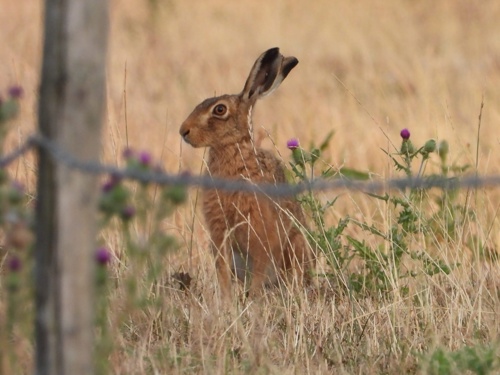
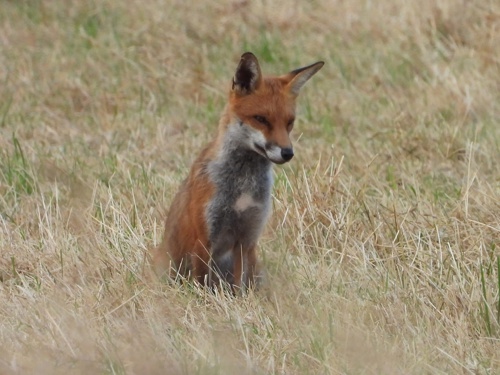
A walk across the land today revealed a young hare peering through the tall grass, a Green Sandpiper feeding in one of the few ponds still holding water, a fox digging nearby, and the unmistakable song of a Grasshopper Warbler, named for its insect-like trill.
This is the first time we've recorded the species at Elmore Estate, and another welcome addition to the growing list of Red List birds using the rewilding land.
24th July
The hay has dried enough to be baled and collected.
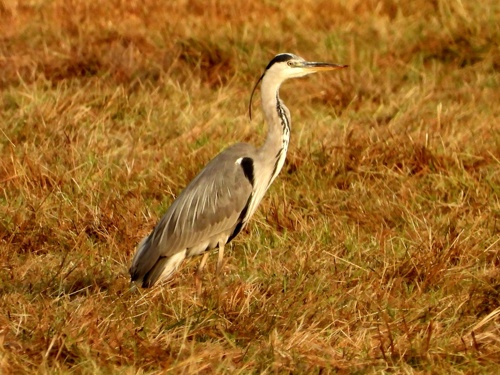
Five herons stand in a single field, creating a striking contrast between the neat rows of rectangular bales and the graceful curves of the birds as they stalk through the freshly cut grass in search of exposed insects.
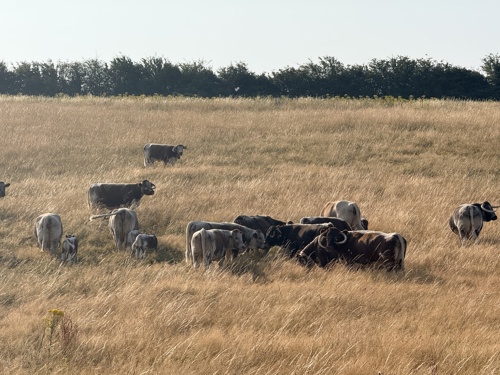
All seven calves have now joined the main herd. They spend their days racing one another across the fields, forming the early friendships that will shape the next generation of the herd.
25th July
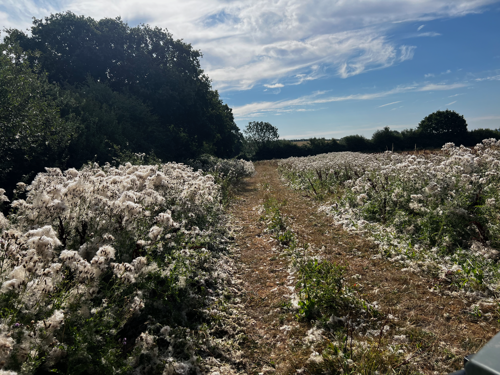
Parts of the fields are covered with the soft white pappus of thistle seeds, drifting together into huge foamy cushions that weave through the landscape. They look wonderfully soft, though appearances can be deceiving.
28th July
Today is World Nature Conservation Day, a chance to celebrate the importance of protecting natural resources, restoring biodiversity and caring for the landscapes around us. These are values we strive to live every day through our rewilding work, allowing nature the space and time to recover, flourish and surprise us.
Written By Hazel Alabaster – Estate Ranger


